 |
|
Advice on Plumbing
We have put together some of the most common points regarding plumbing.
Things to check
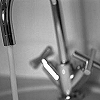
Burst PipesThe first thing to do with burst pipes is turn off the mains stopcock. This will stop any more water coming into the house, and reduce the pressure of the leak. However, if the loft storage tank is full then there could still be quite a lot more water to flow out, so opening all other taps will probably help in reducing the amount coming from the leak. Get buckets etc to catch any remaining water coming out, and then deal with any flood water and damage. If there is any significant damage to furnishings, it is worth taking pictures for insurance purposes' Cutting out the burst section and fitting a new section of pipe yourself is not really feasible for anyone other than the very competent DIY enthusiast who understands plumbing joints etc. So this will be a job for the plumber. Hopefully the pipe will be visible, or simply behind a kitchen unit or in the loft where it is still reasonably accessible. In which case the plumber will be able to cut in a new length of pipe quickly and efficiently - they've done it thousands of times before! Clear everything away before they arrive and make as much room as possible for them to operate in. Dripping TapsThis is almost invariably due to a faulty tap washer. You can simply fix a new tap, or replace the washer. Both jobs are within the remit of the competent DIY enthusiast with the right tools, but there can be complications, so if in any doubt get the professionals in. If you're buying new taps it's worth trying to see what diameter base and inlet pipe the original has, to make swapping them as easy as possible. Know Your Stop CocksThere should be a stopcock on the mains feed into your house. This is often under the Kitchen sink. Make sure it works! You and anyone else living in your house should know where this stopcock is and how to turn it off! Somewhere outside your house there will also be a mains stopcock. This will almost certainly be below a small trap-hatch somewhere on the street or road outside. However, if a new drive surface or road has been laid, the hatch may become concealed. Make sure you know where it is, how to get to it and that you can operate it. You should also know where the hot and cold down service valves are. They are usually in the airing cupboard or loft. Make sure they work. If you are unsure of the whereabouts of any of these valves or stopcocks, ask your plumber next time he visits. He will be more than happy to advise. Things you can do to prepare for your plumberHelp speed up your plumbers visit and allow them to solve your problems quicker! There should be a stopcock on the mains feed
into your house. This is often under the kitchen sink. Its very
likely your plumber will need access to this, so you should know
where it is, and remove anything in its way. |
|






|
MG Fowkes Heating and Plumbing Specialists The Granary, Grange Farm, Lutley Lane,
Hayley Green, West Midlands B63 1EZ Gas Safety Registration Number: 94130 |